Objective:
determine the angularity number of aggregate.
Appratus used:
BS test sieves: 20.0 mm, 14.00 mm, 10.00 mm, 6.30 mm, 5.0 mm, a balance of capacity 10kg and accurate to 1, a metal cylinder(150mm * 150mm)



Angularity Test
STEP
1
Objective: determine the angularity number of aggregate. Appratus used: BS test sieves: 20.0 mm, 14.00 mm, 10.00 mm, 6.30 mm, 5.0 mm, a balance of capacity 10kg and accurate to 1, a metal cylinder(150mm * 150mm)
STEP
2
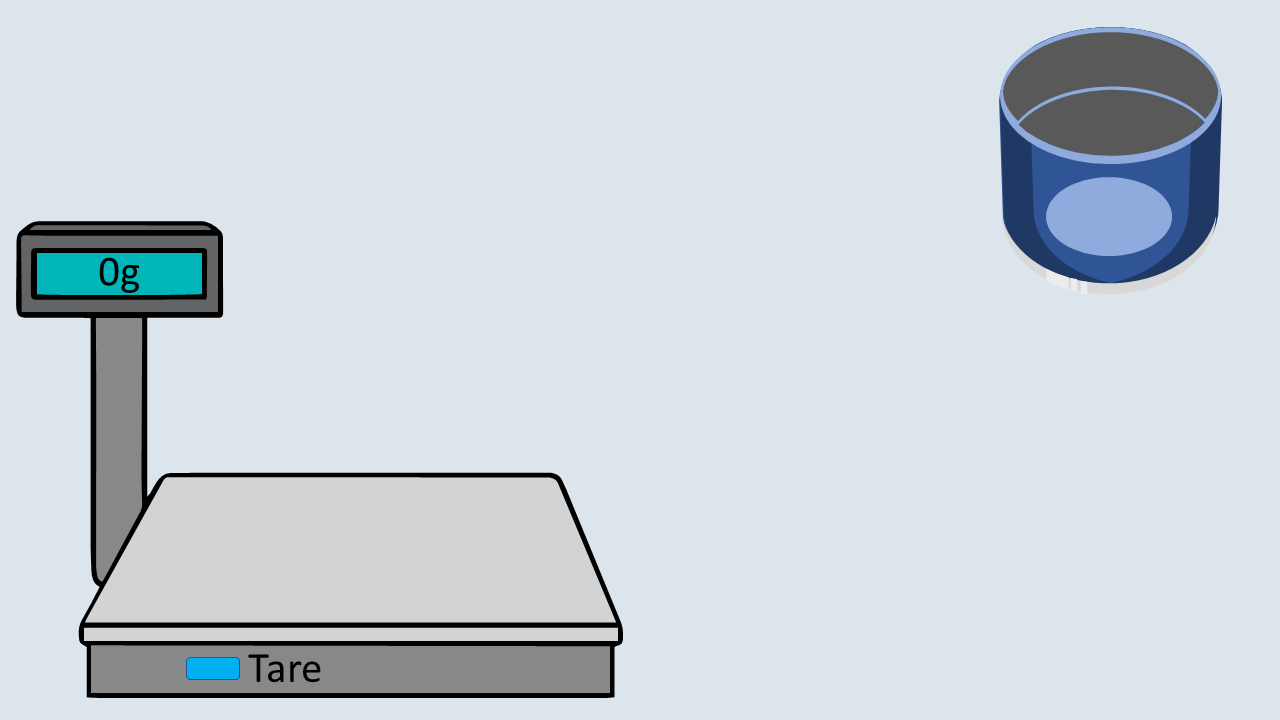
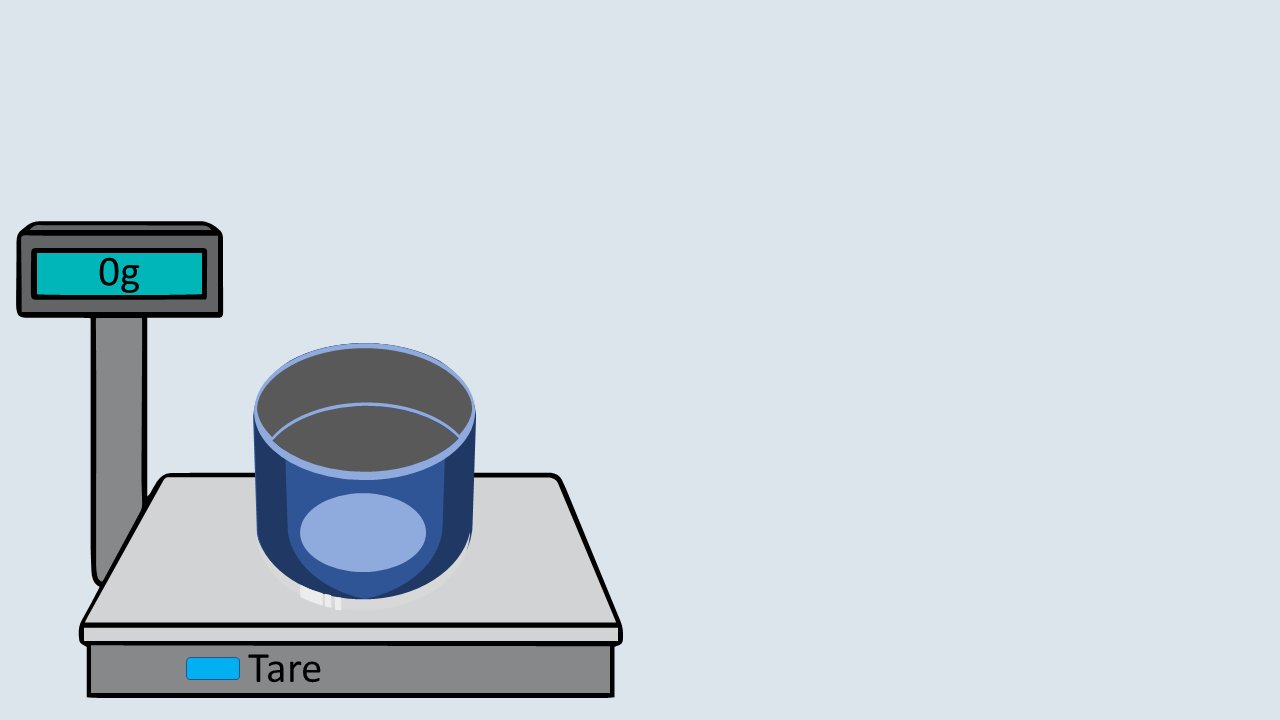
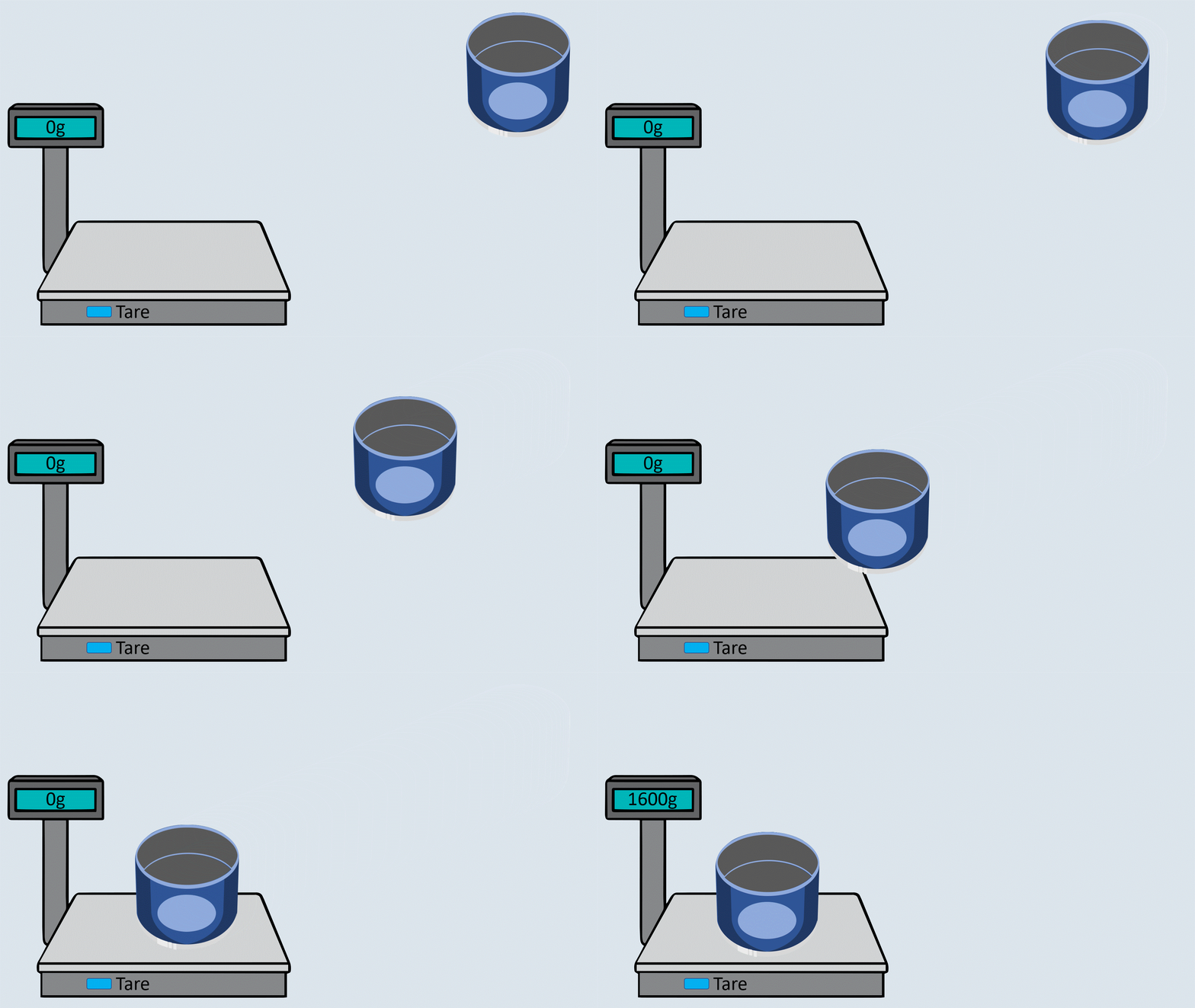
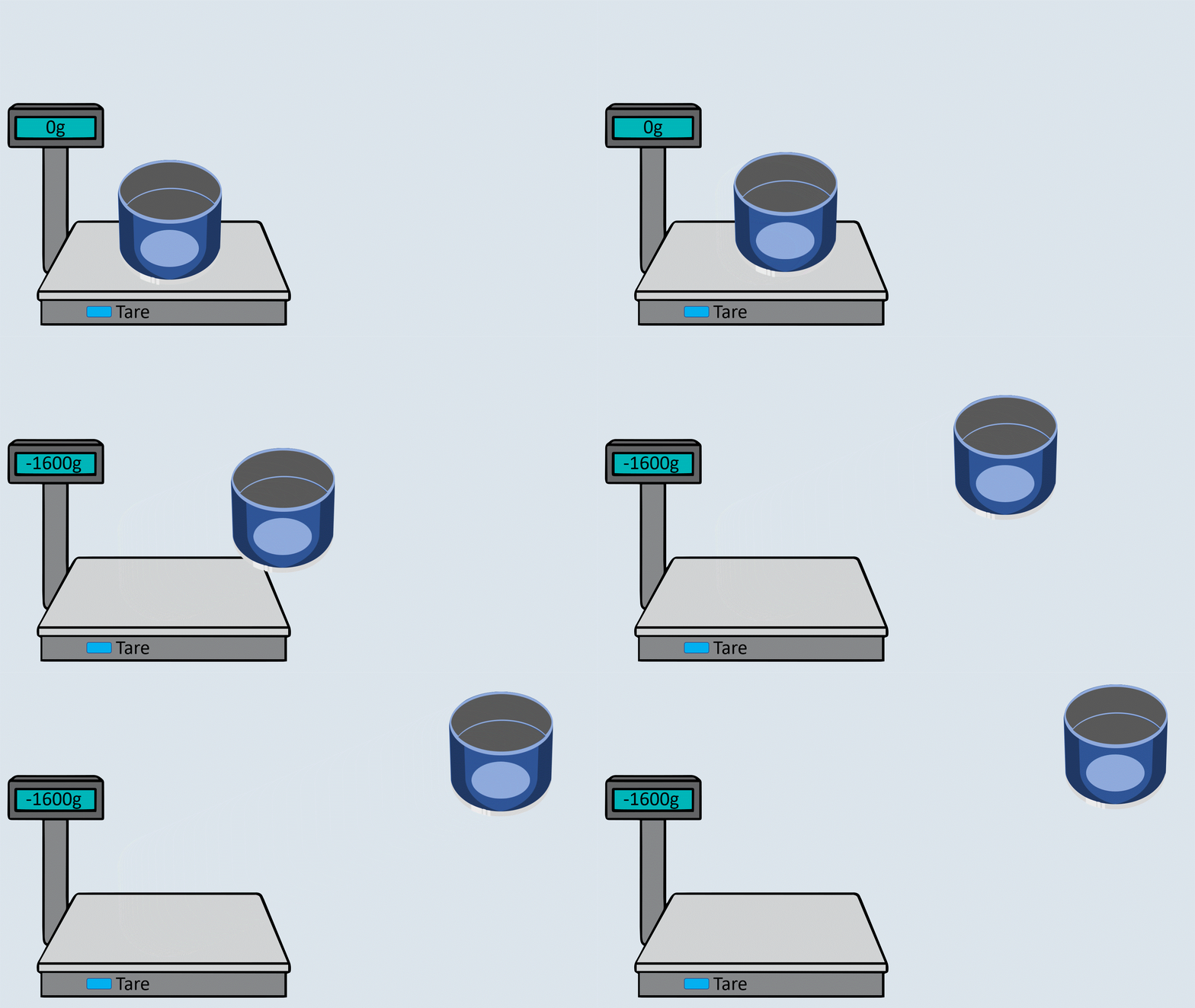
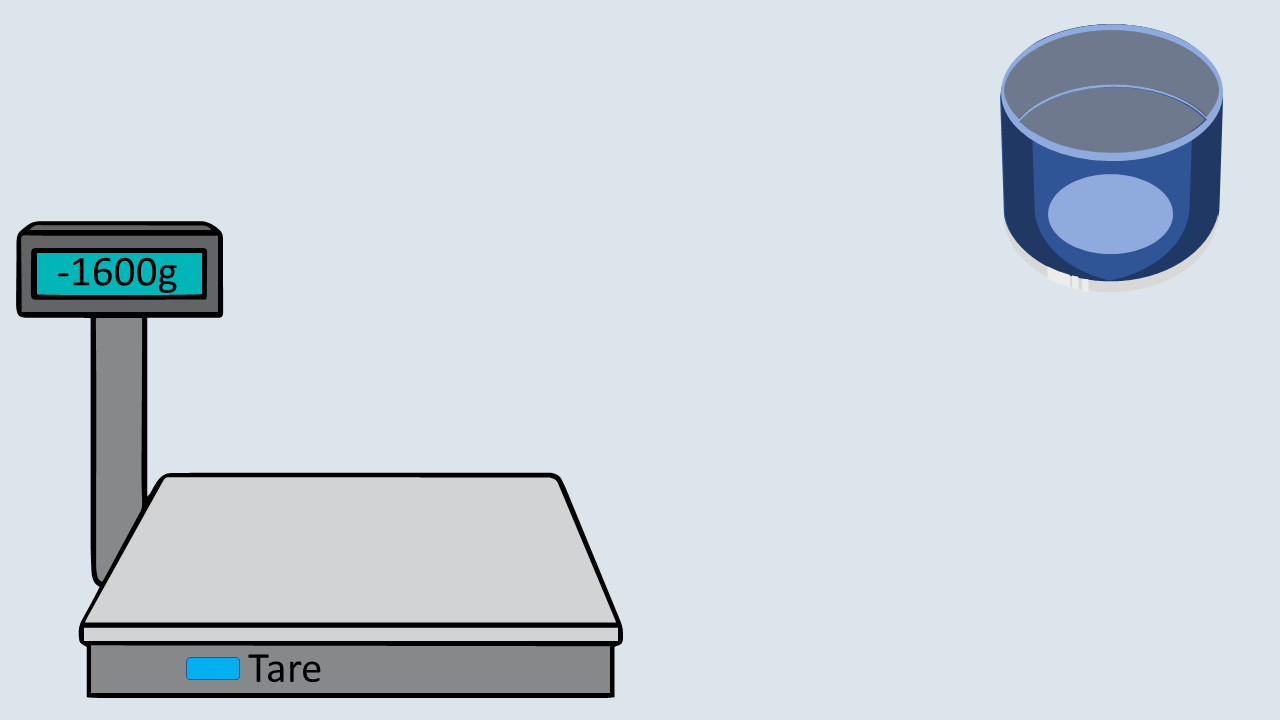
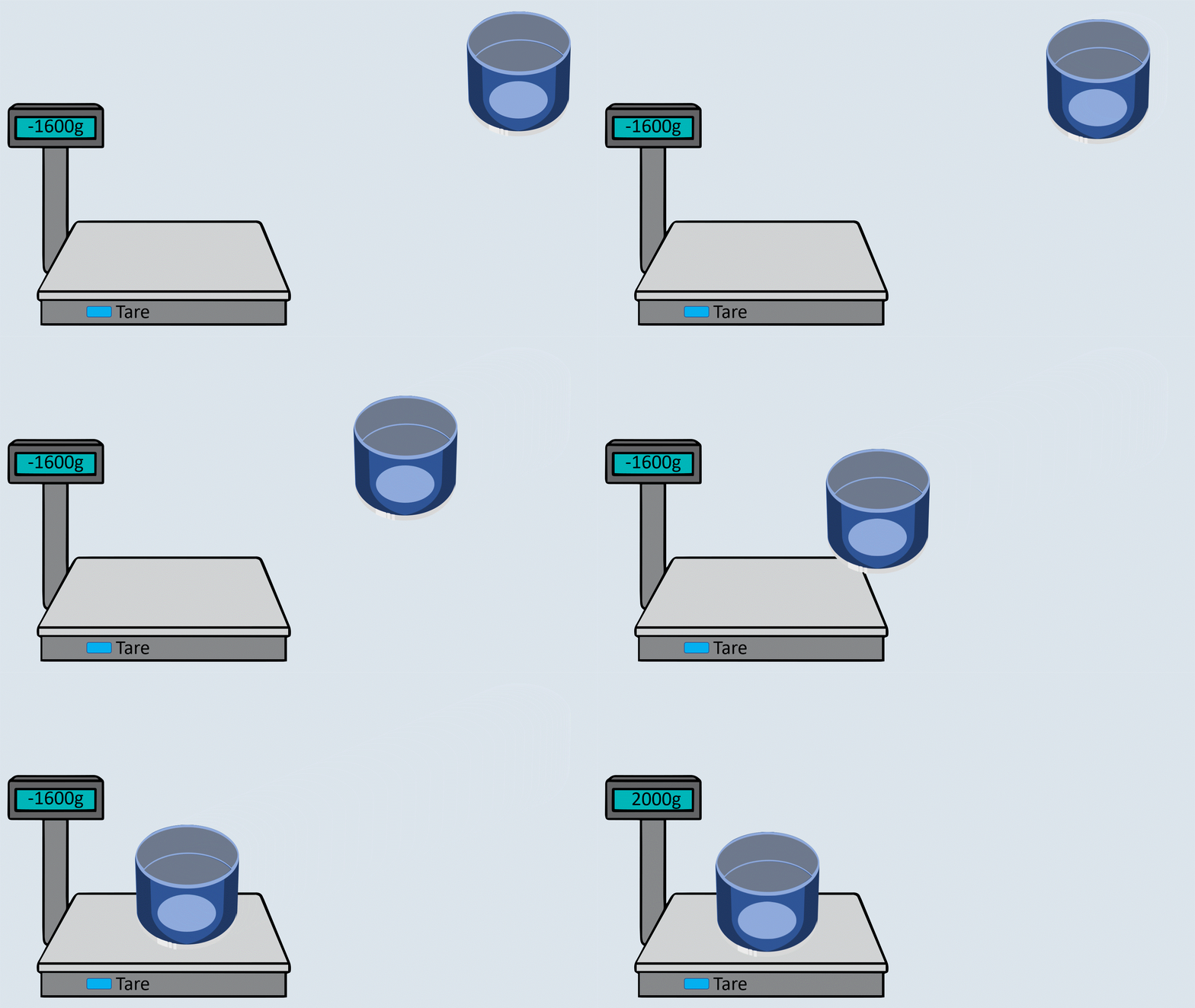
Keep the metal cylinder on the weighing balance, then
TARE the balance.



STEP
3
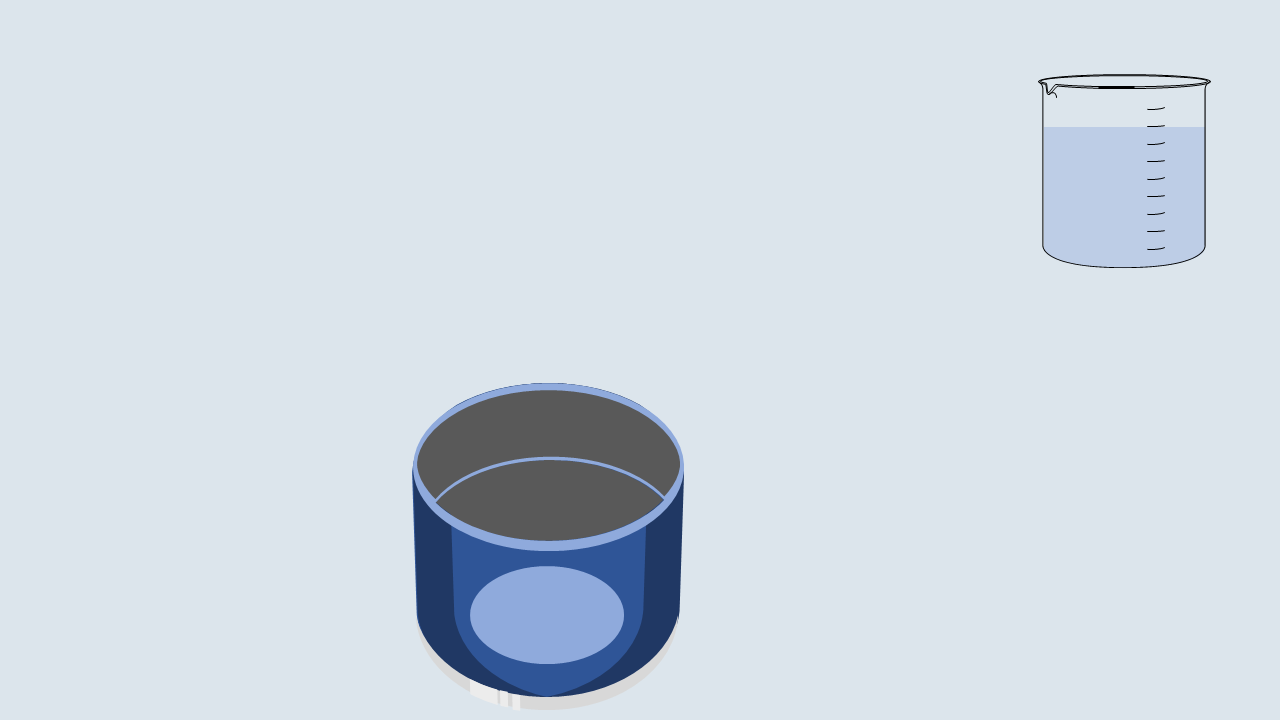
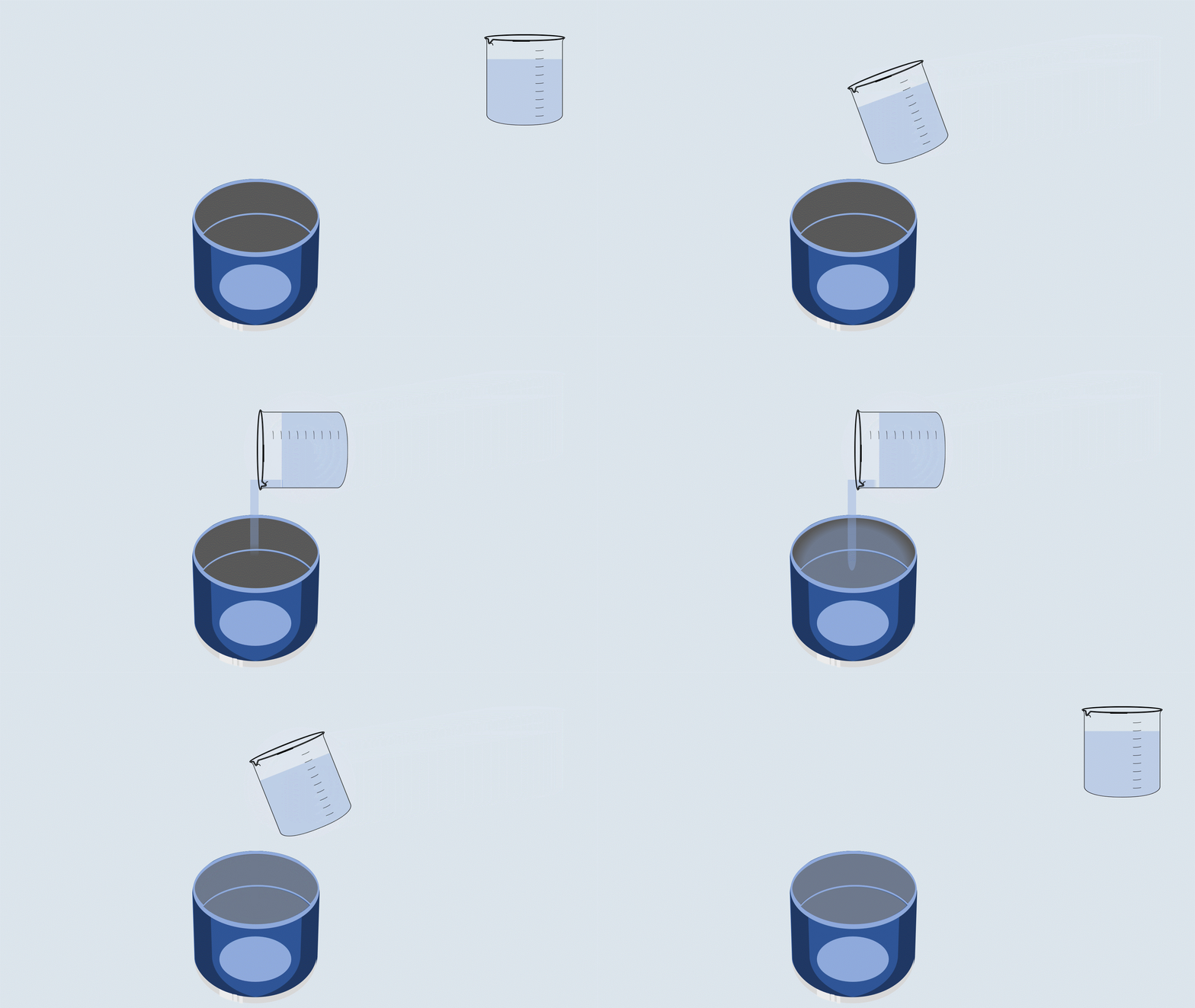
Fill the cylinder with water.
STEP
4
Record the volume of water filled inside the metal
cylinder.
STEP
5
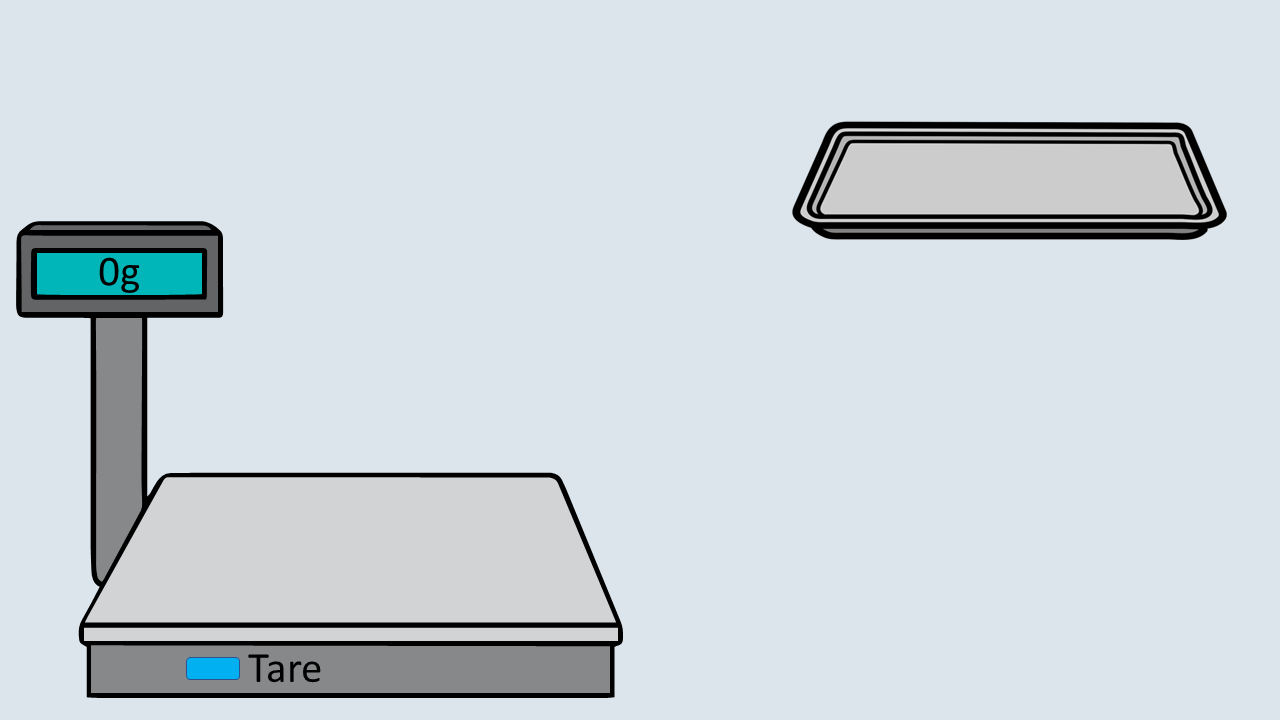
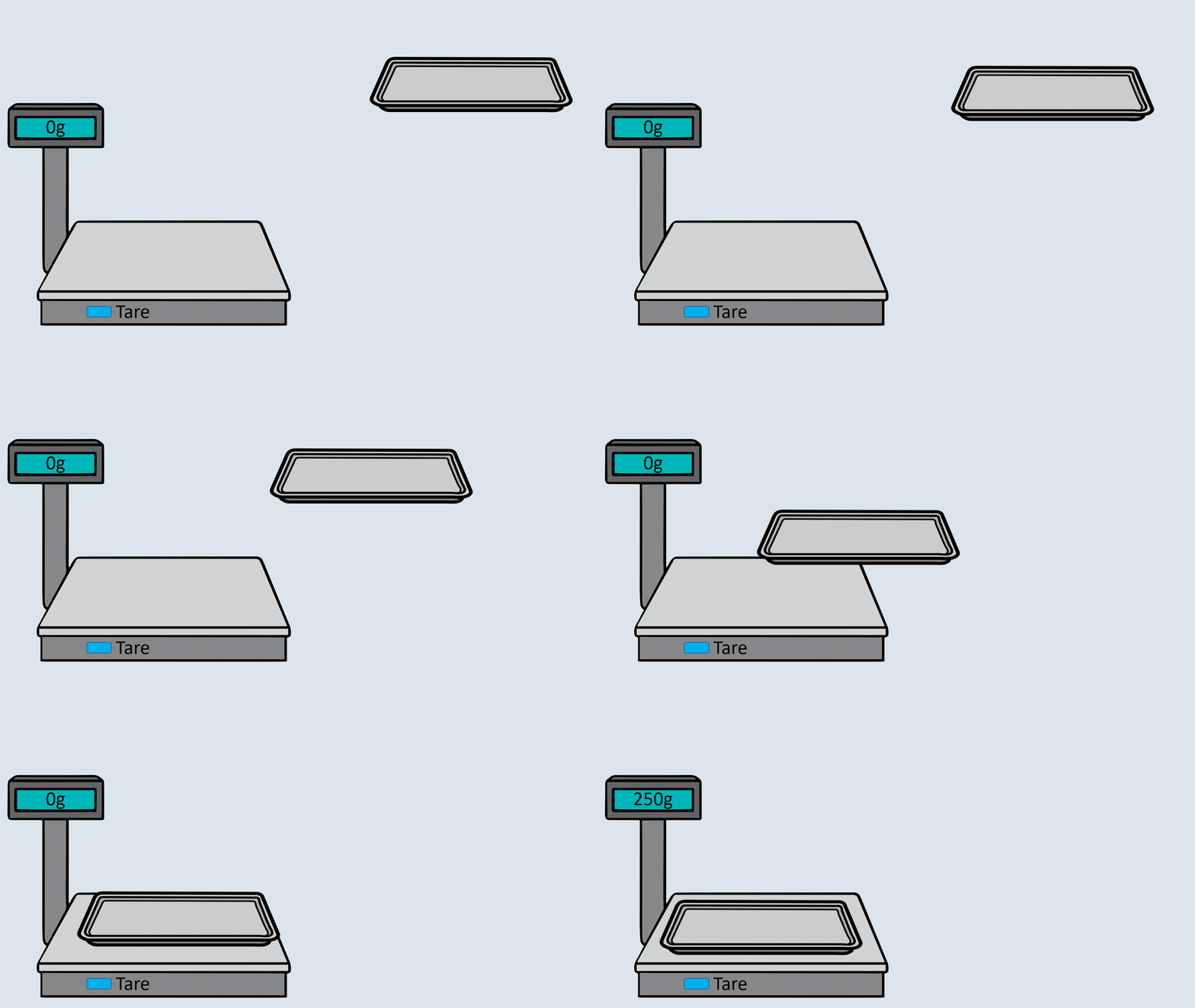
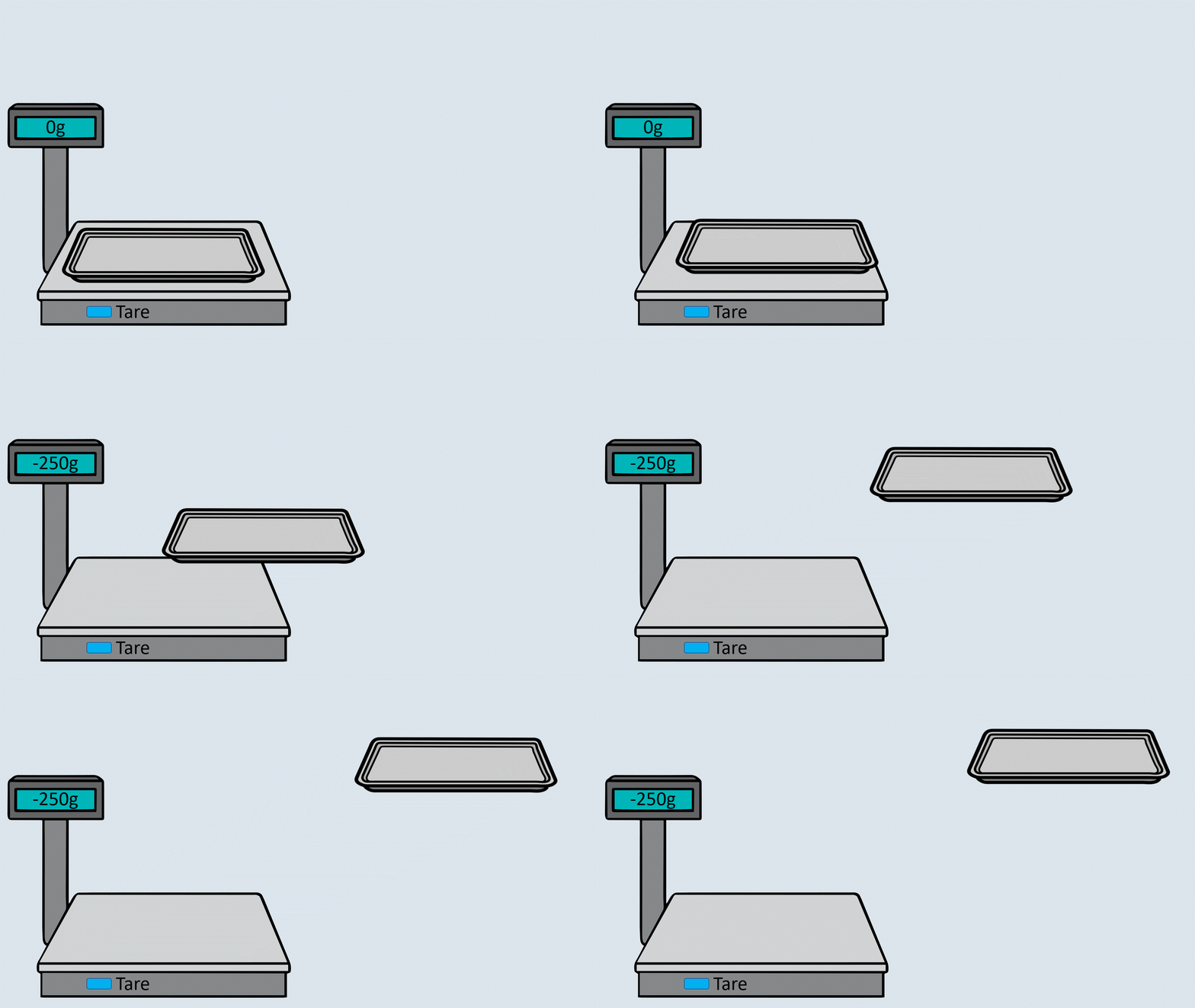
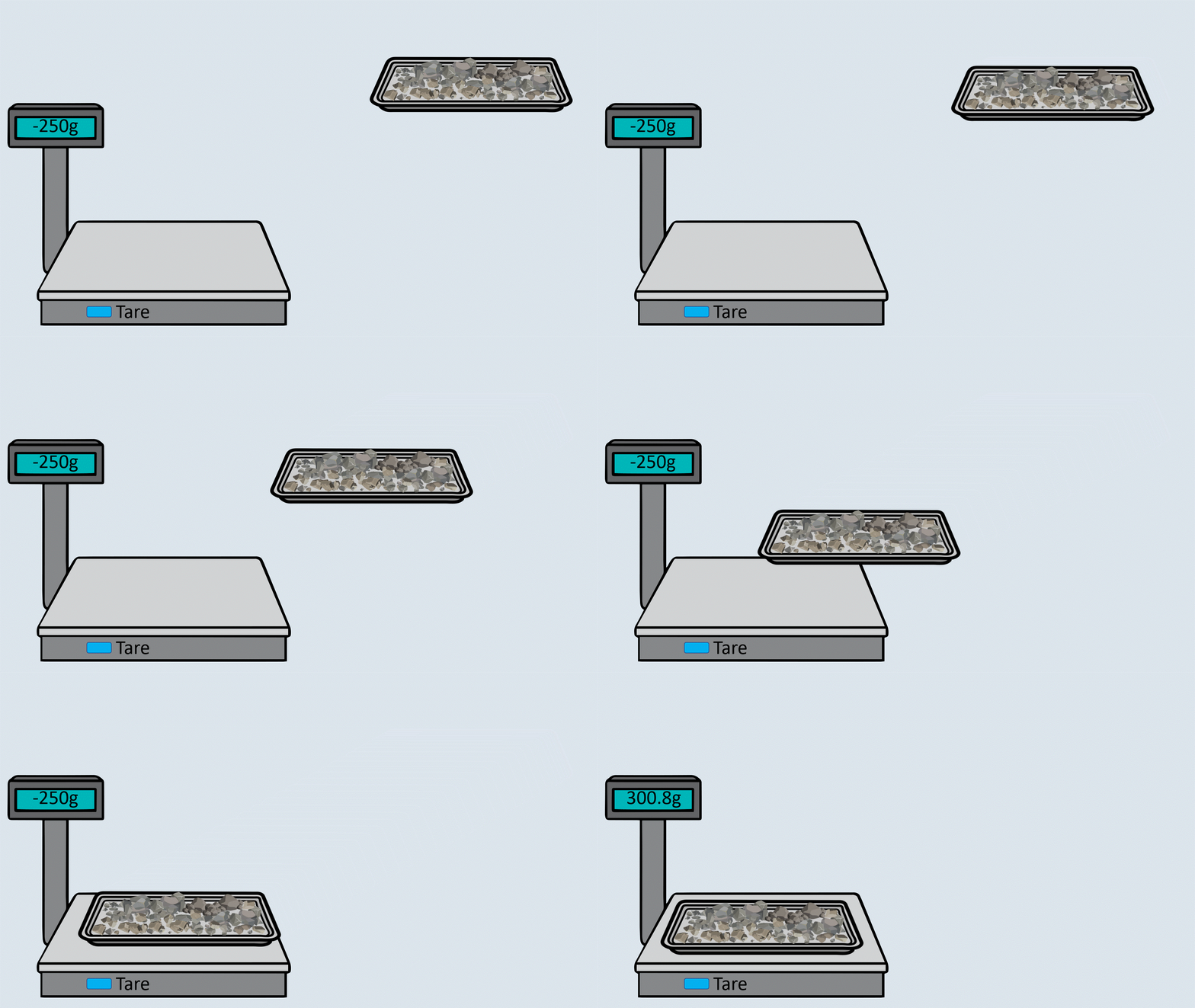
Place the tray on the balance and TARE the
balance.
STEP
6
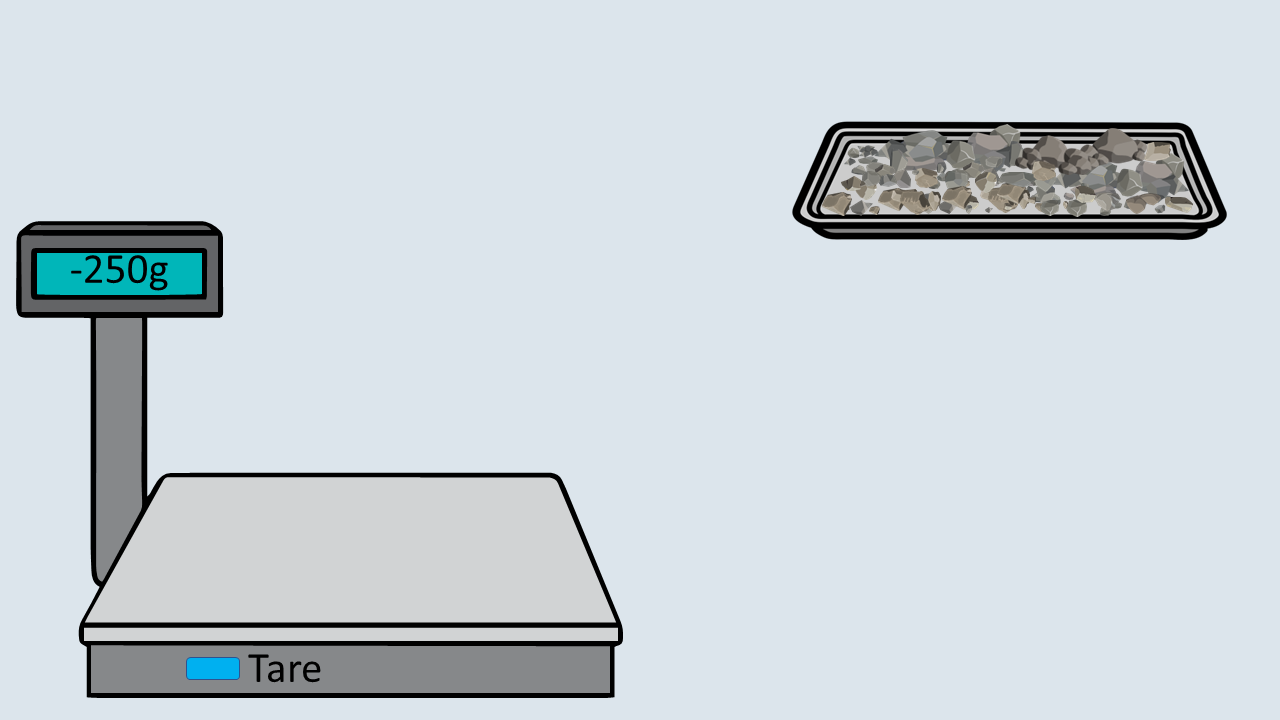
Take sufficient quantity of aggregate in the tray and
weigh them.
STEP
7
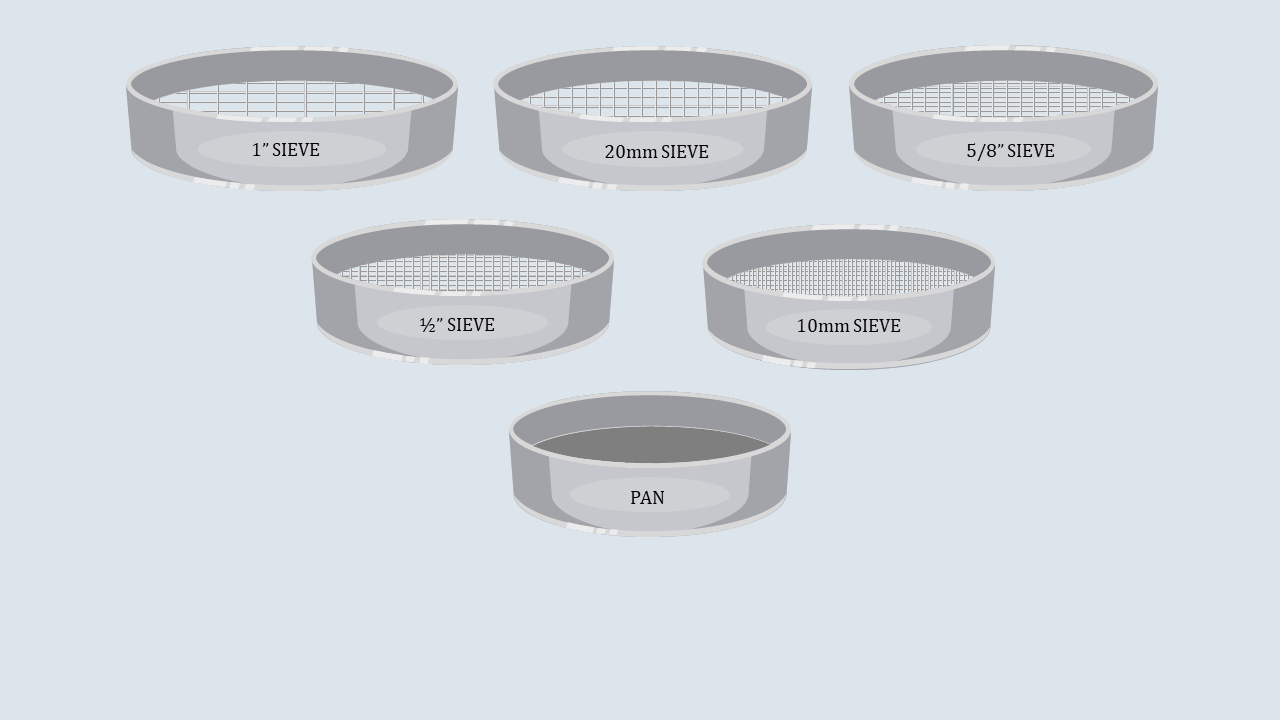
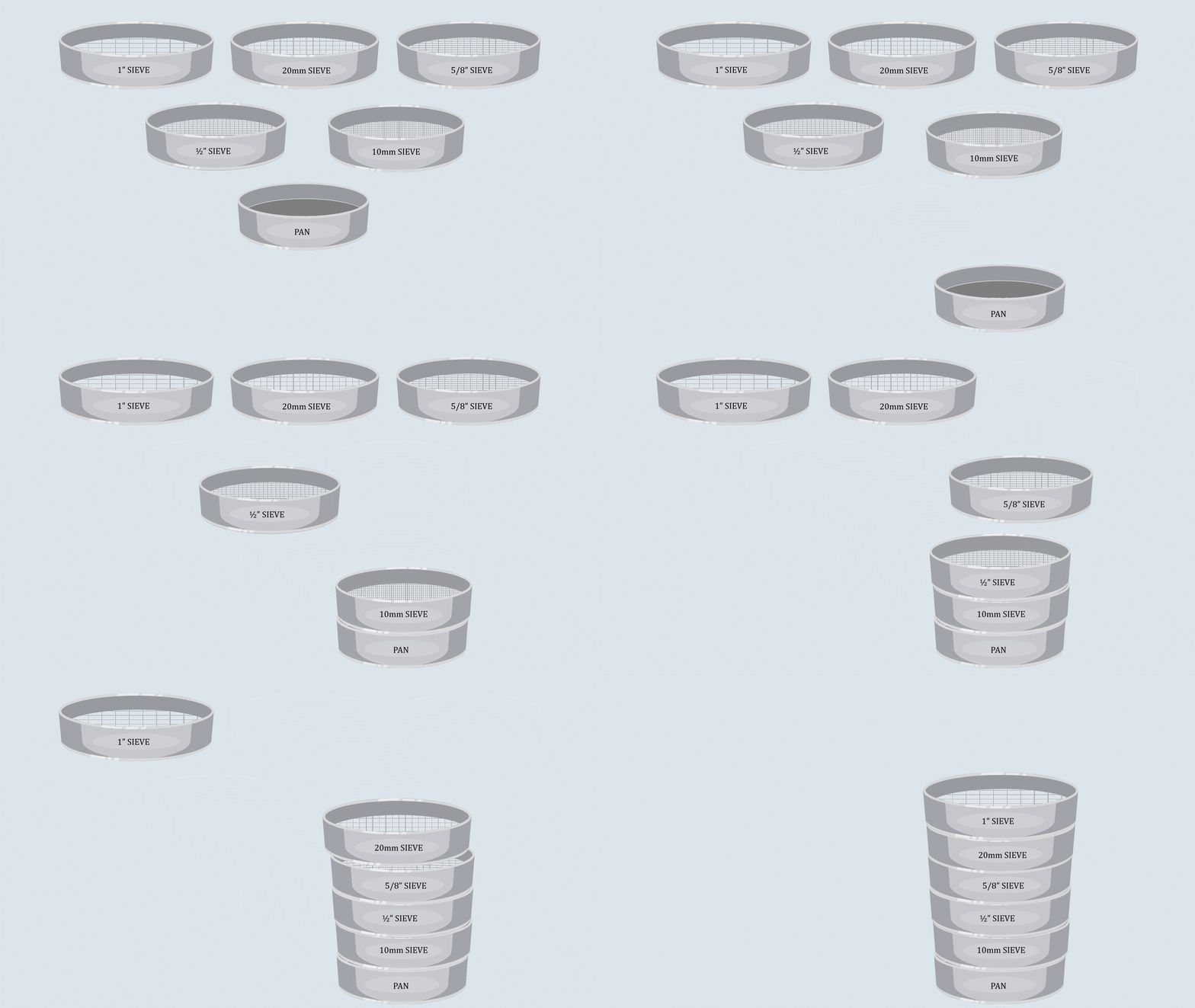
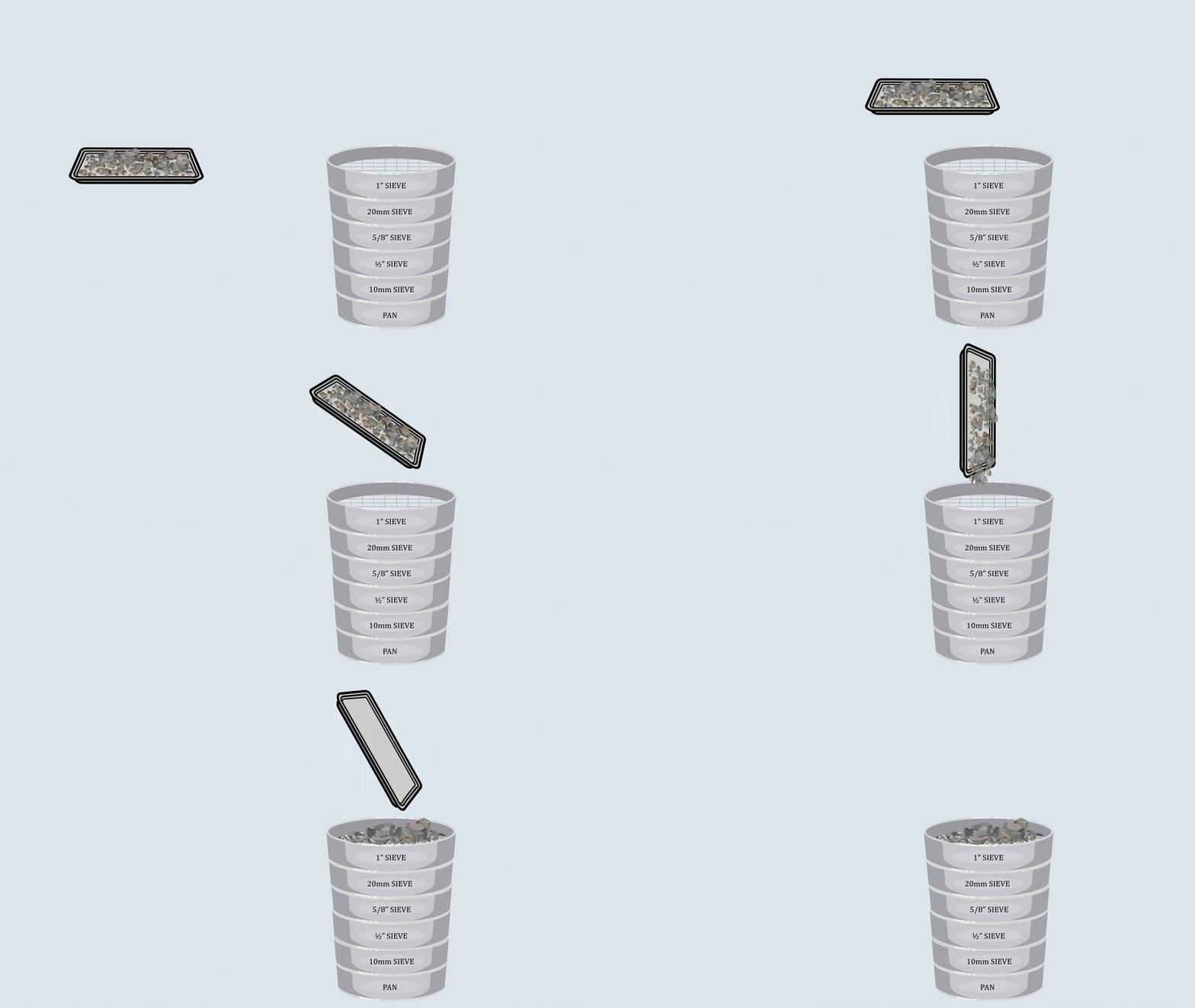
Arrange the sieves in descending order, with the
largest aperture size at the top and the smallest one at the
bottom and place a pan below the lower most sieve.
STEP
8
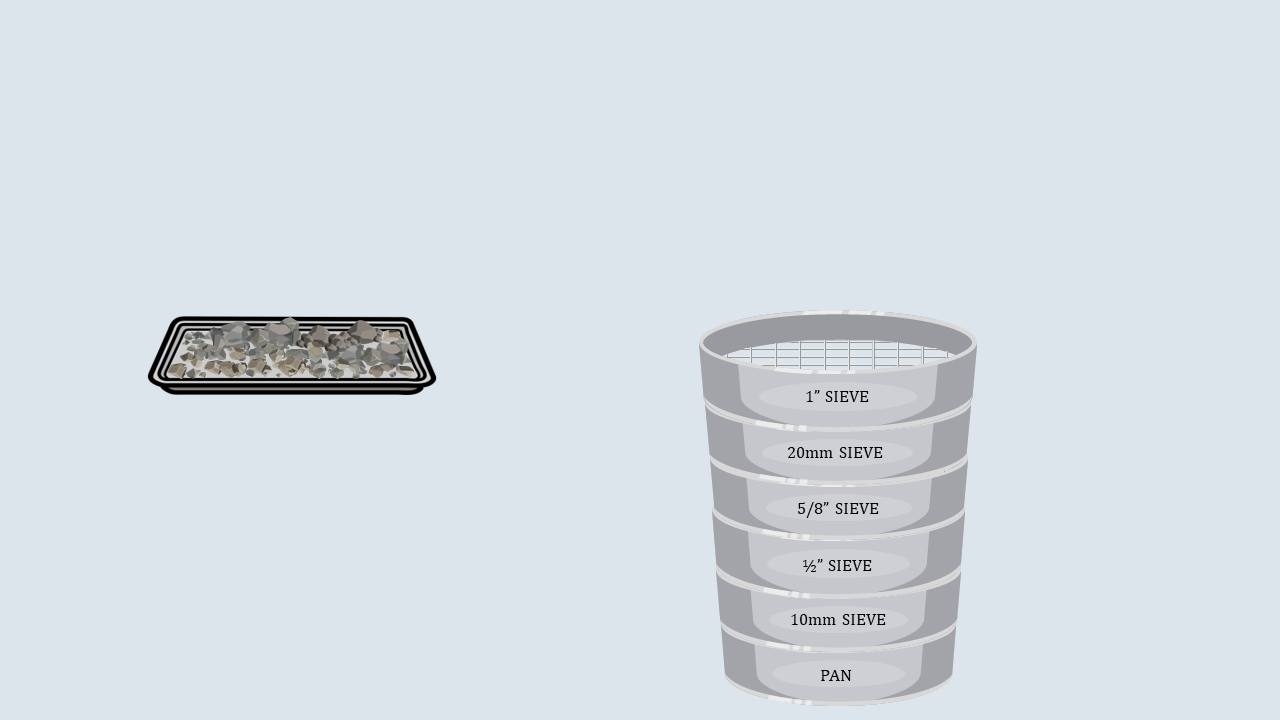
Now, put the weighed aggregates on the sieve
stack.
STEP
9
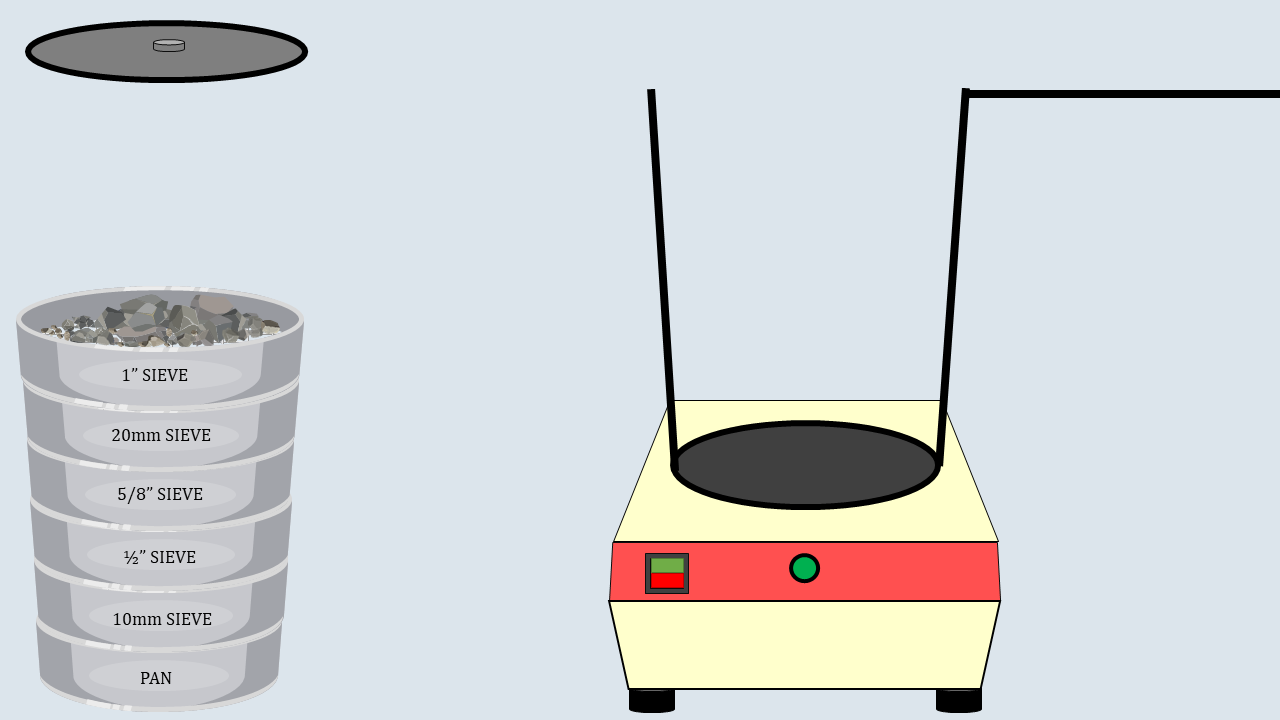
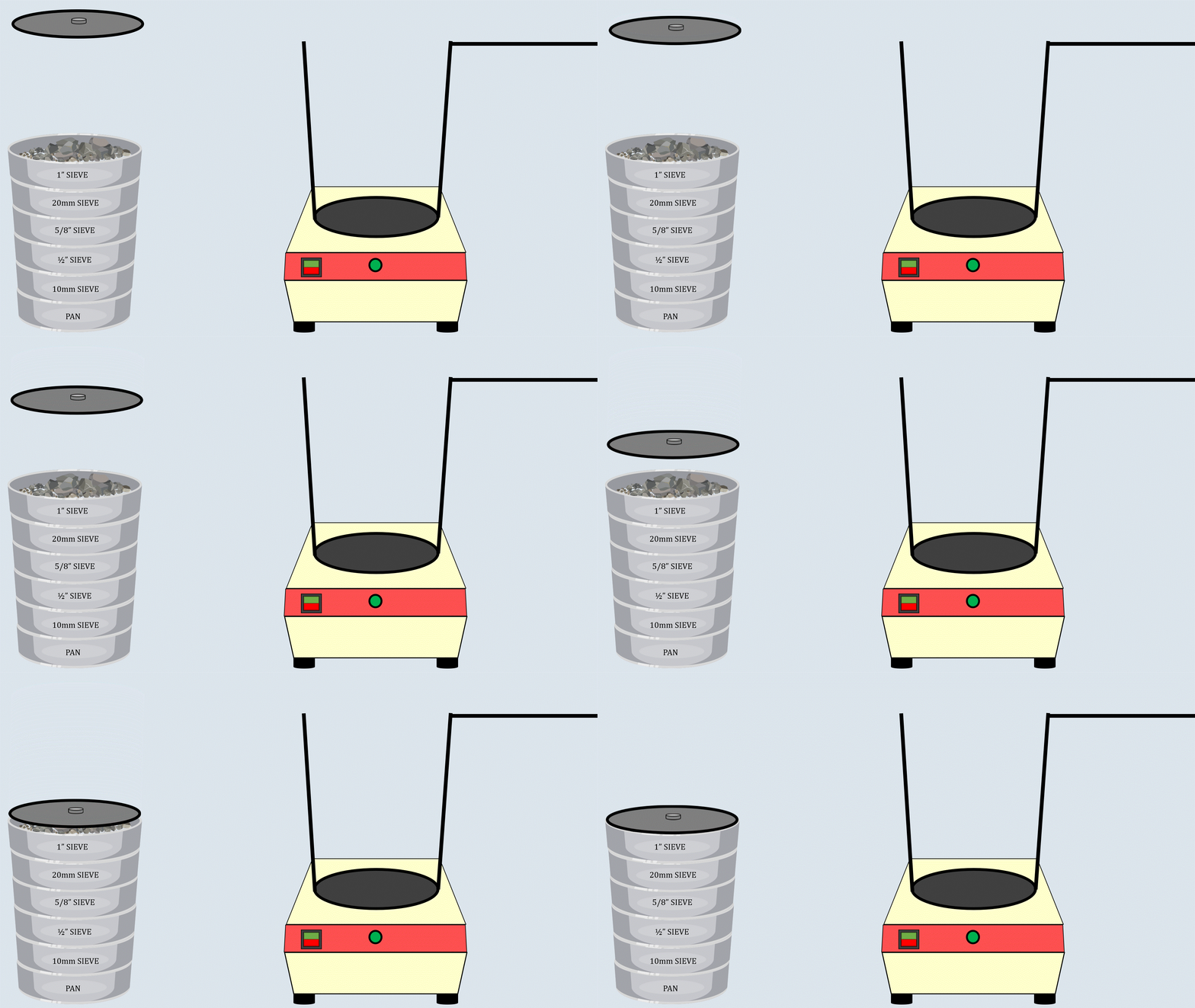
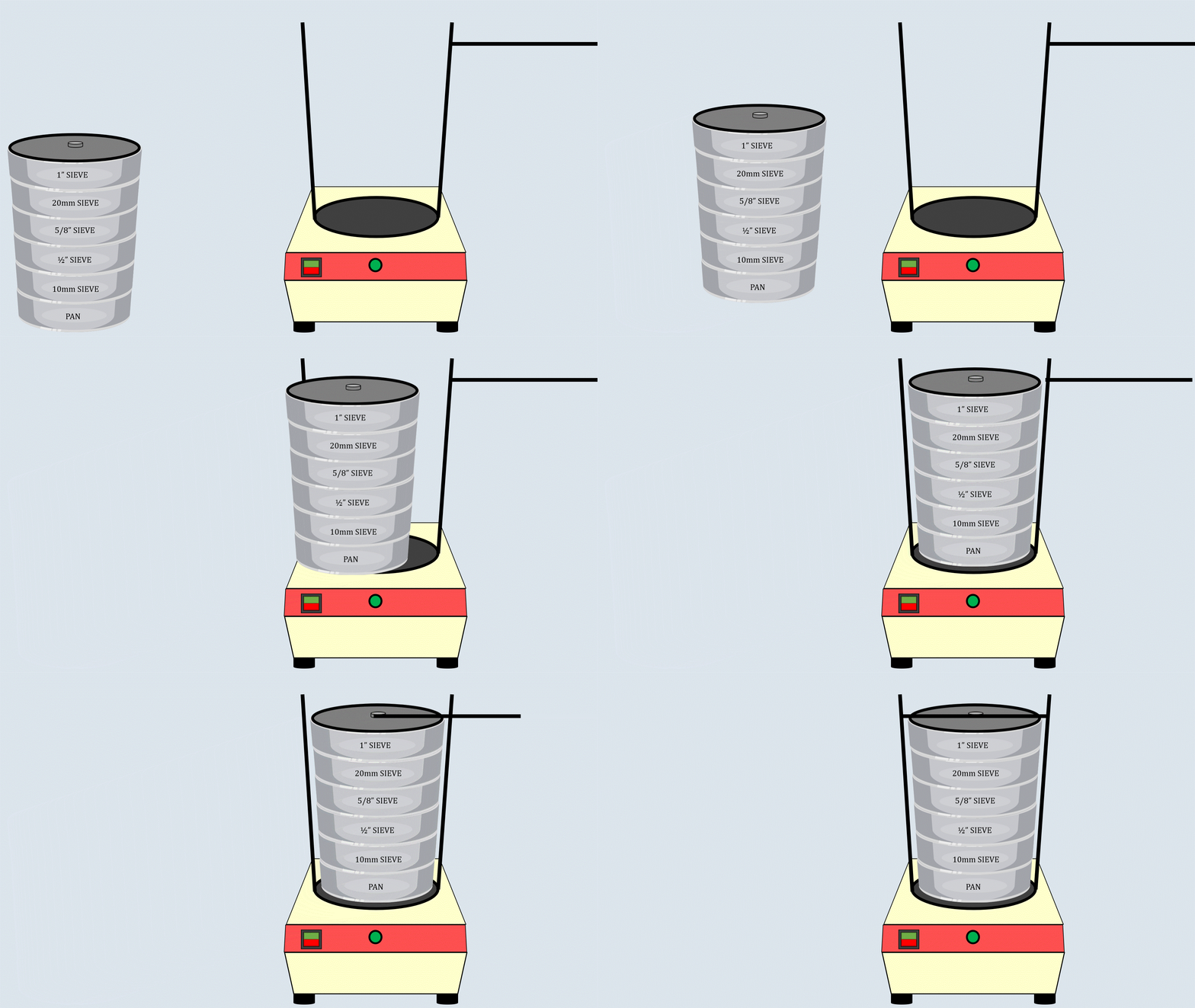
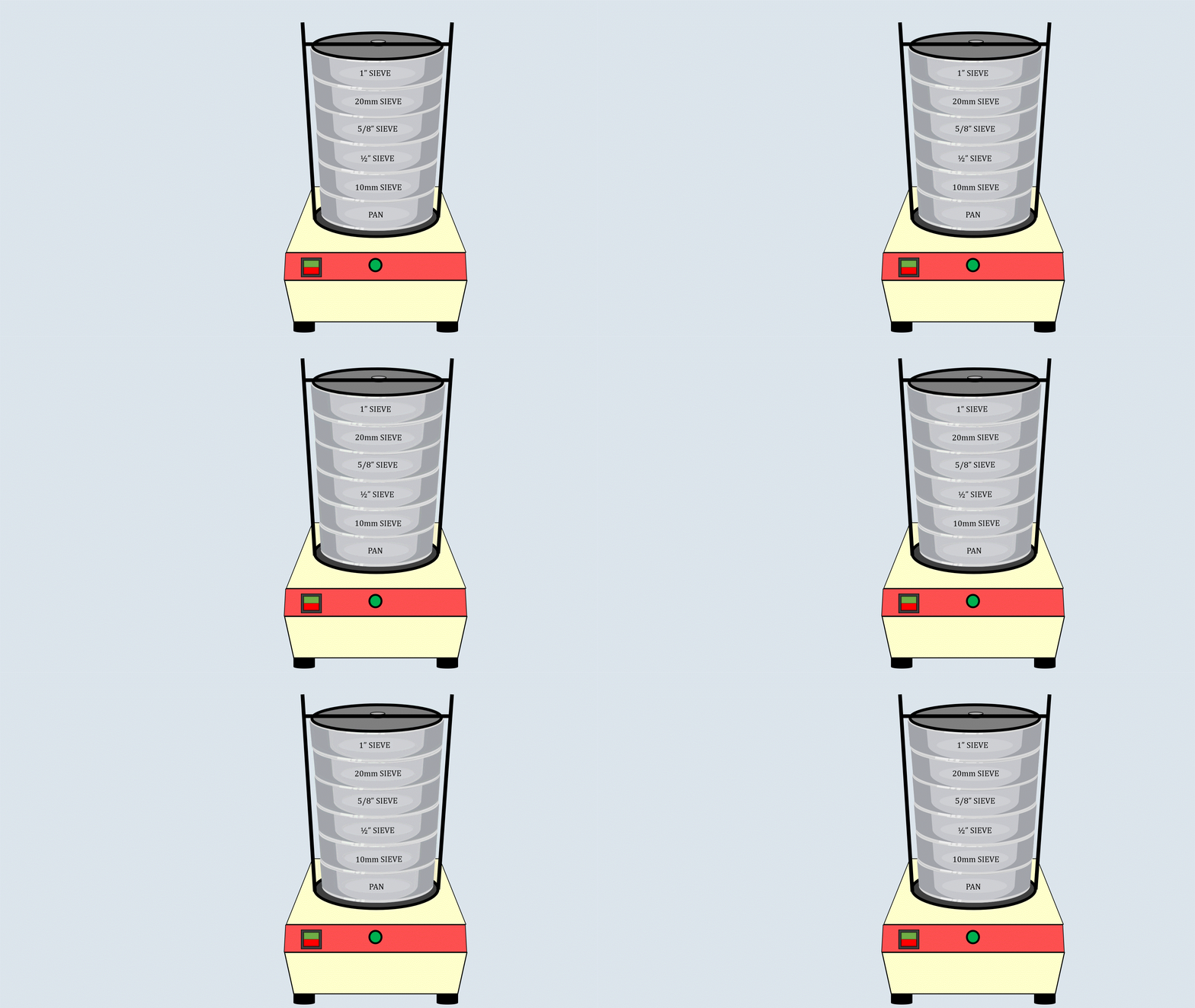
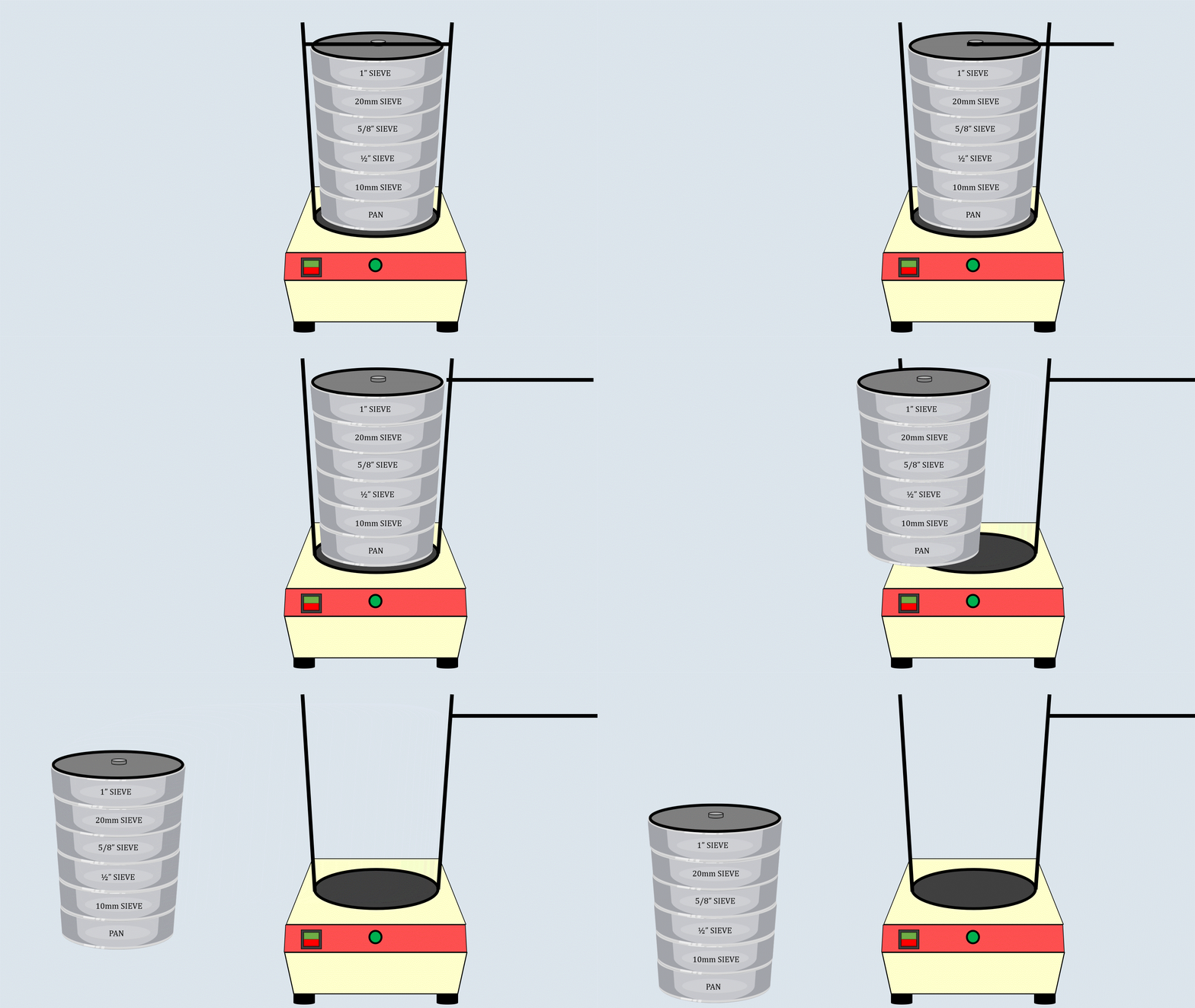
Cover the sieve stack with the lid and place it on the
sieve shaker. Start the sieve shaker, and after some time,
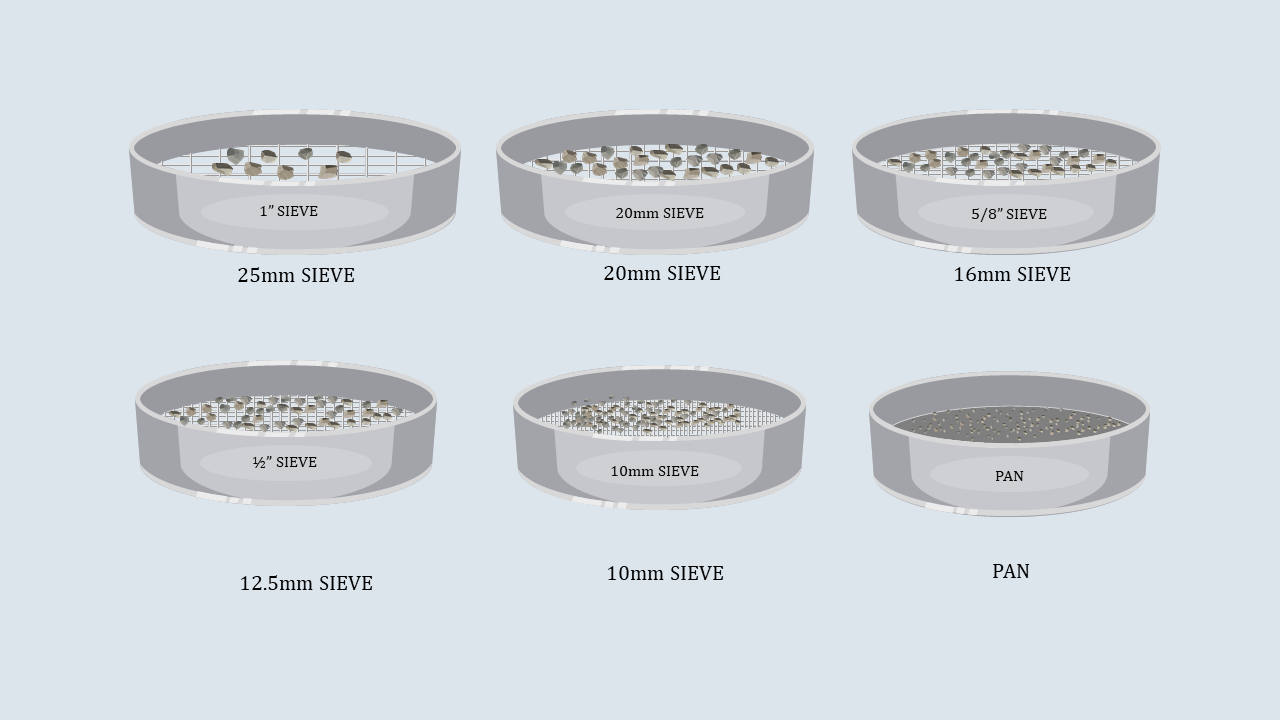
remove the sieves and record the aggregates collected in
each sieve.
STEP
10
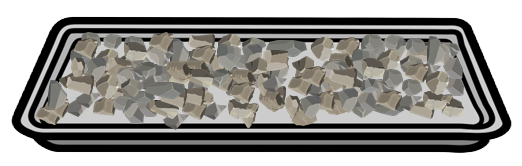
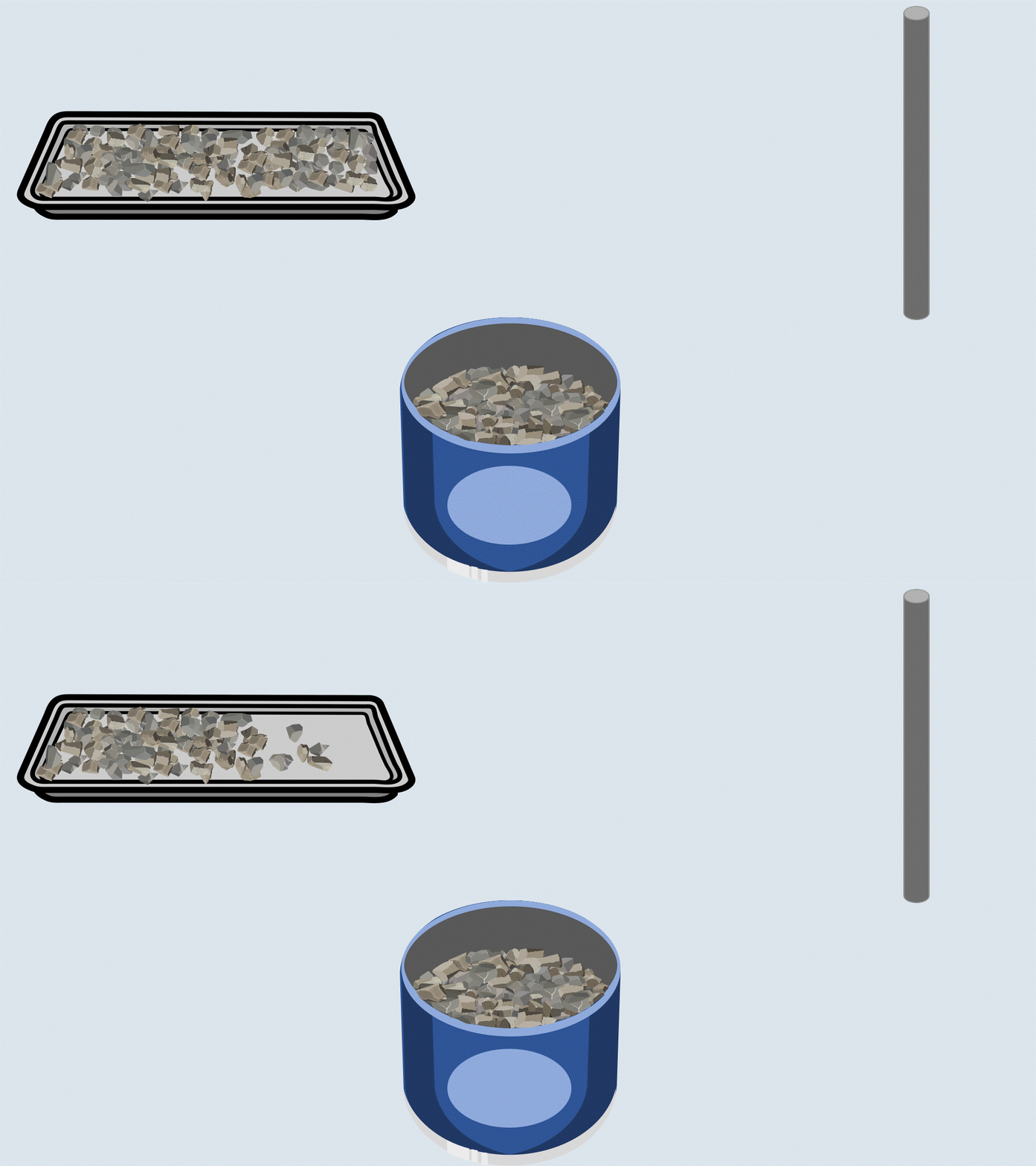
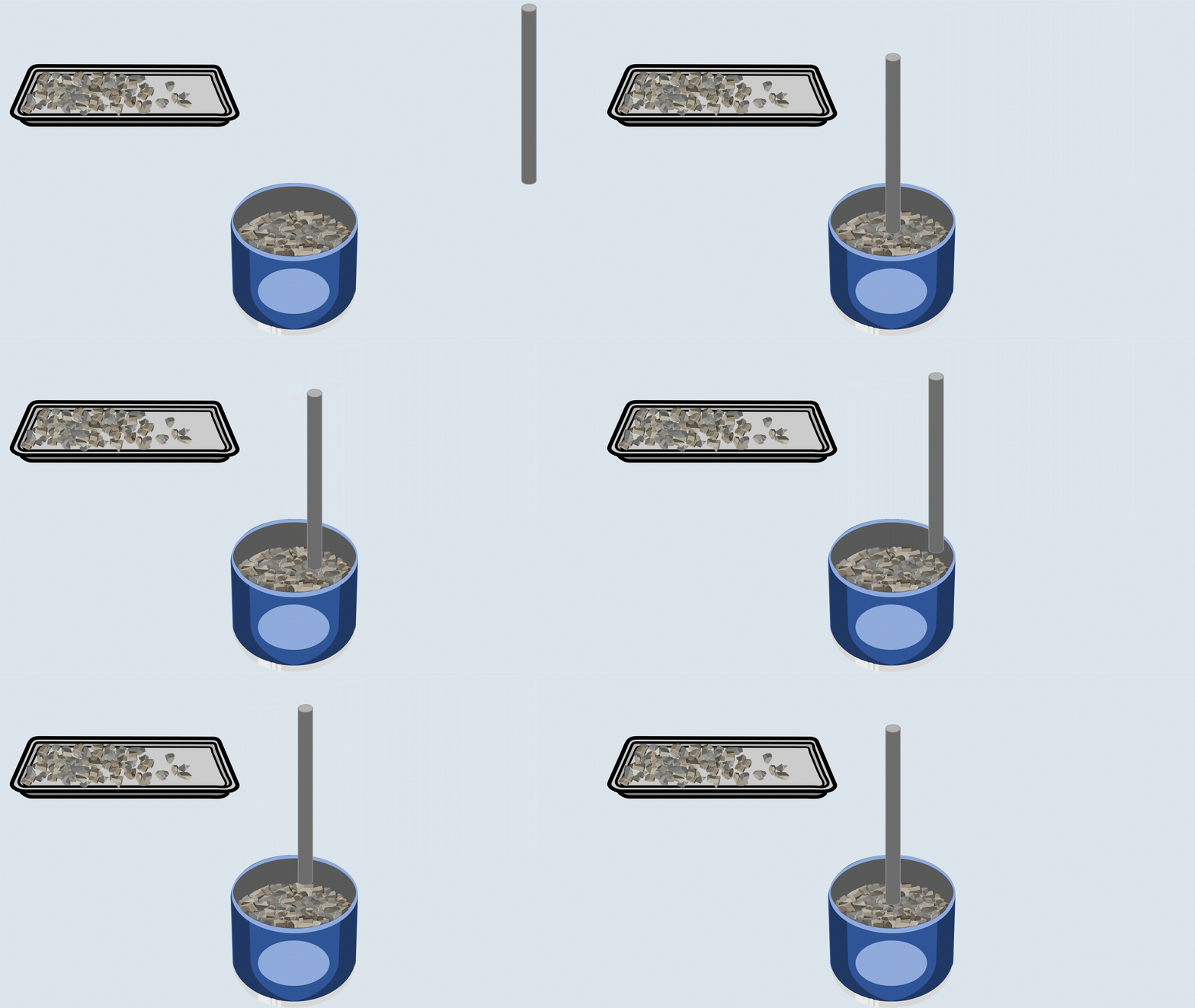
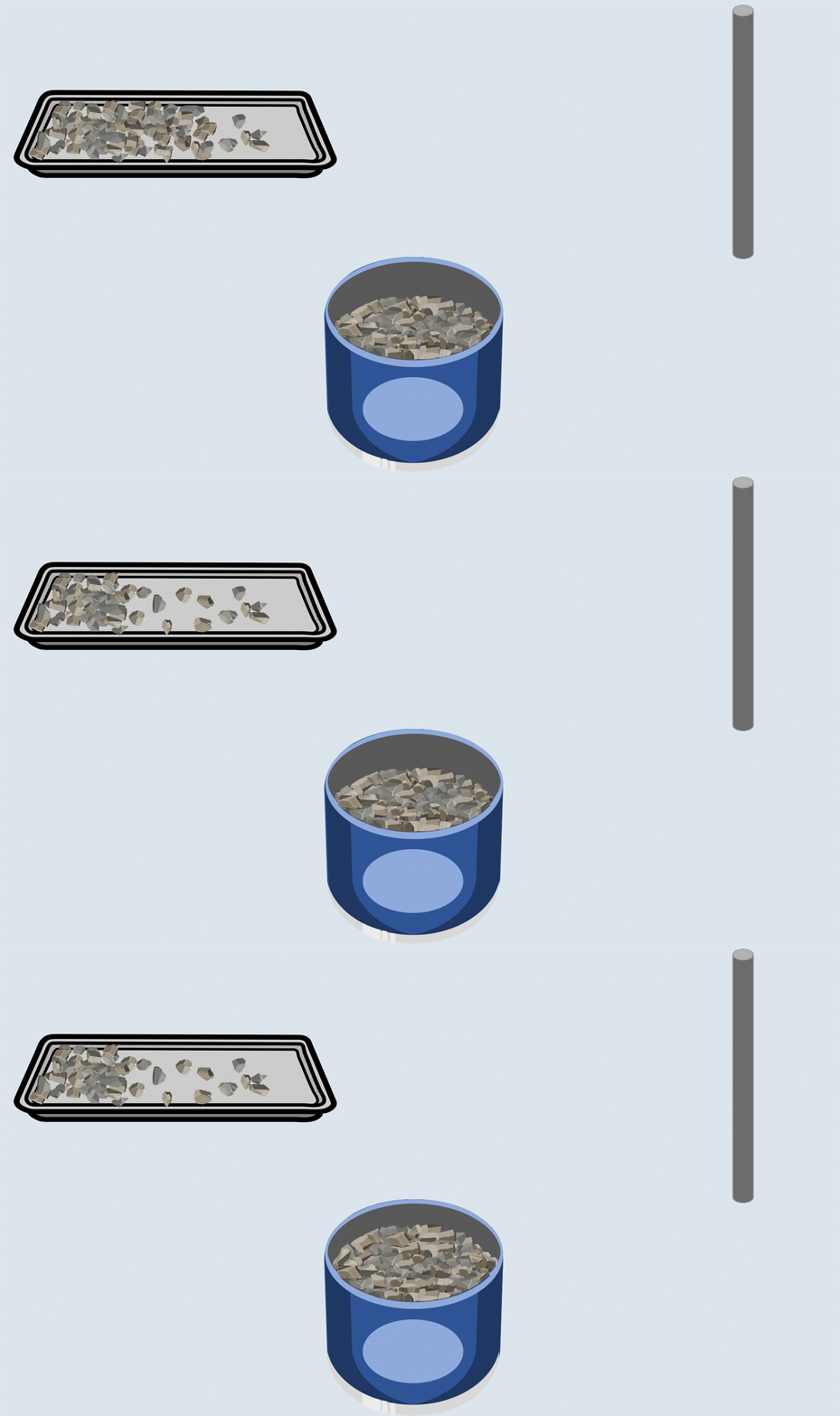
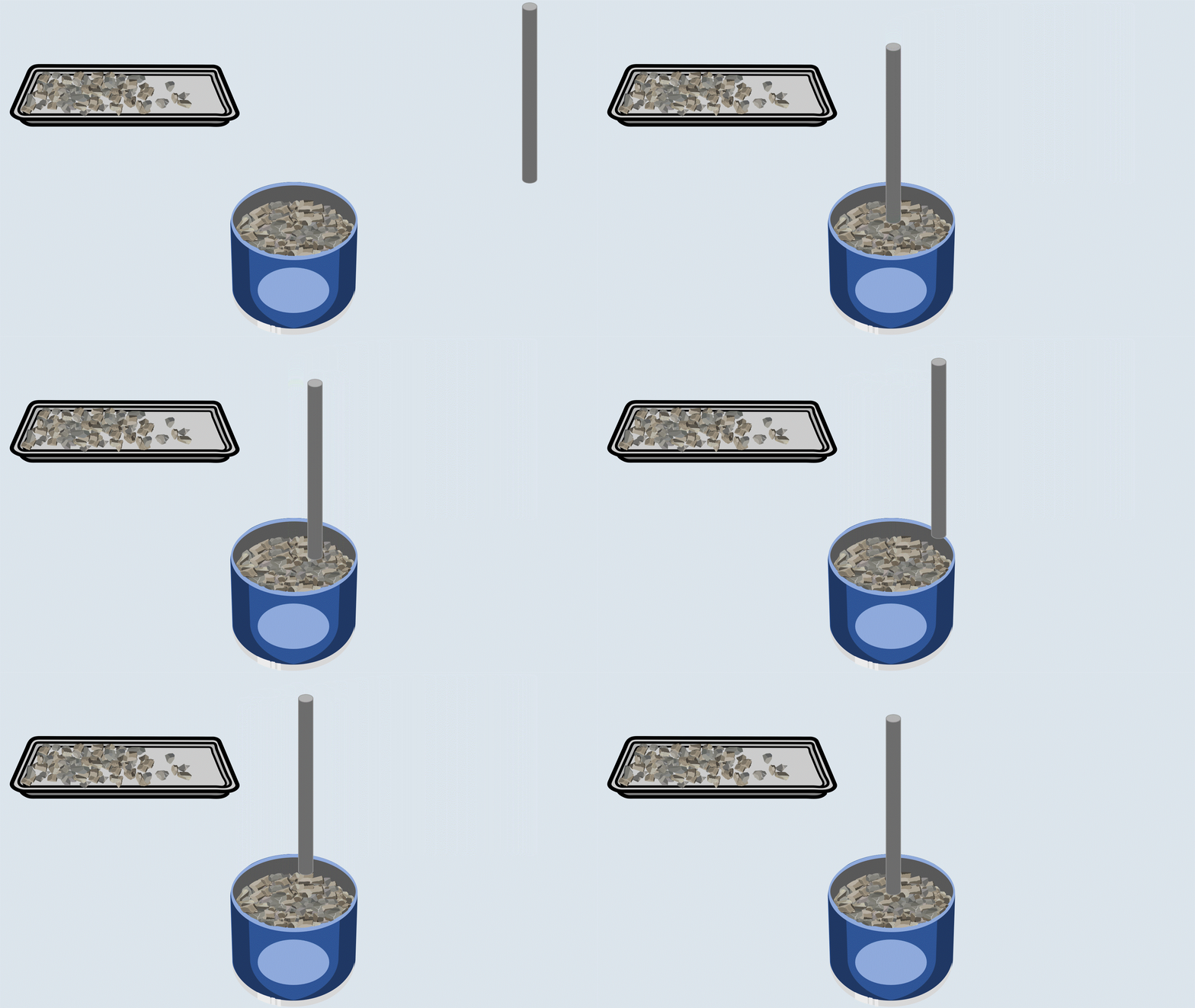
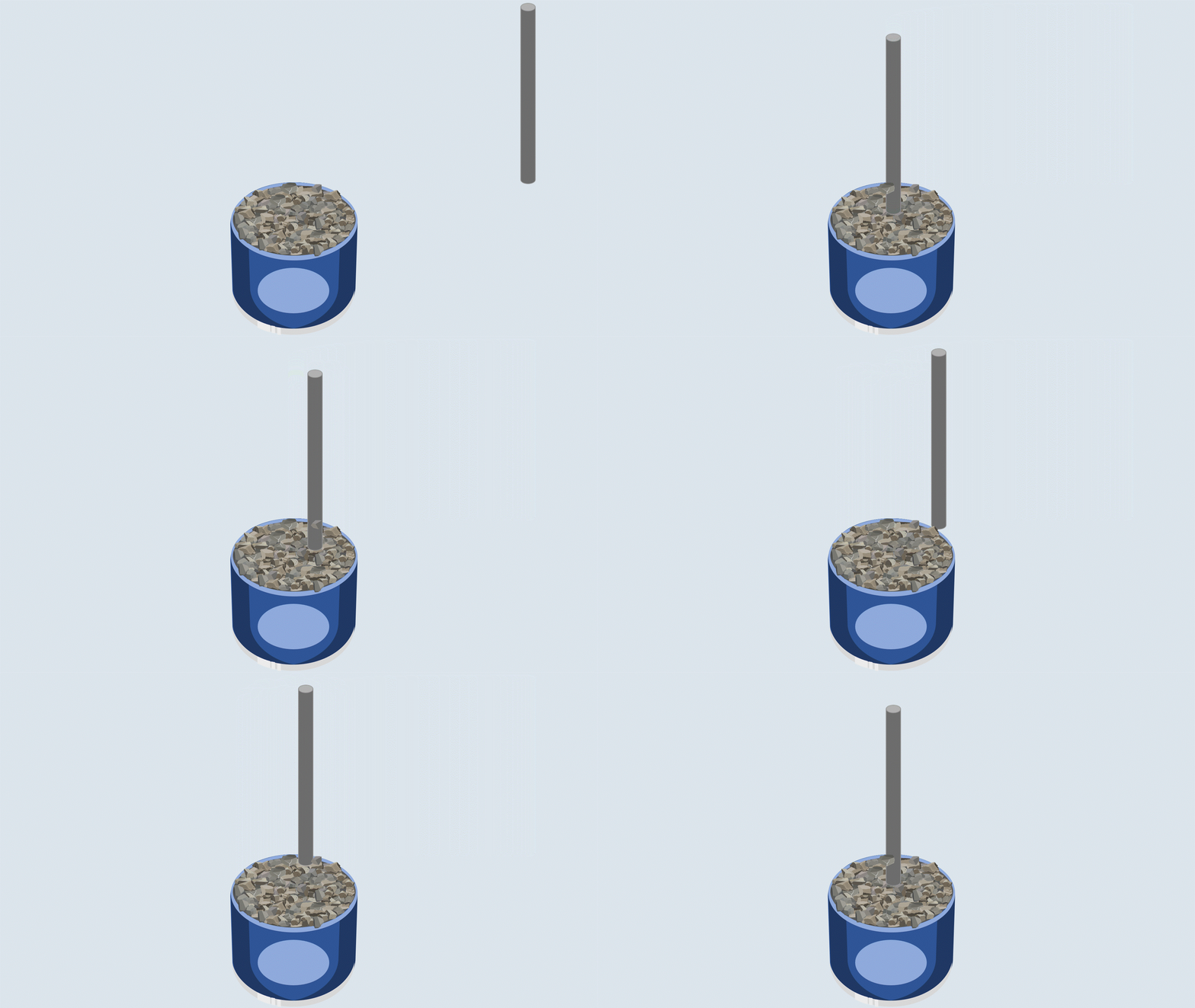
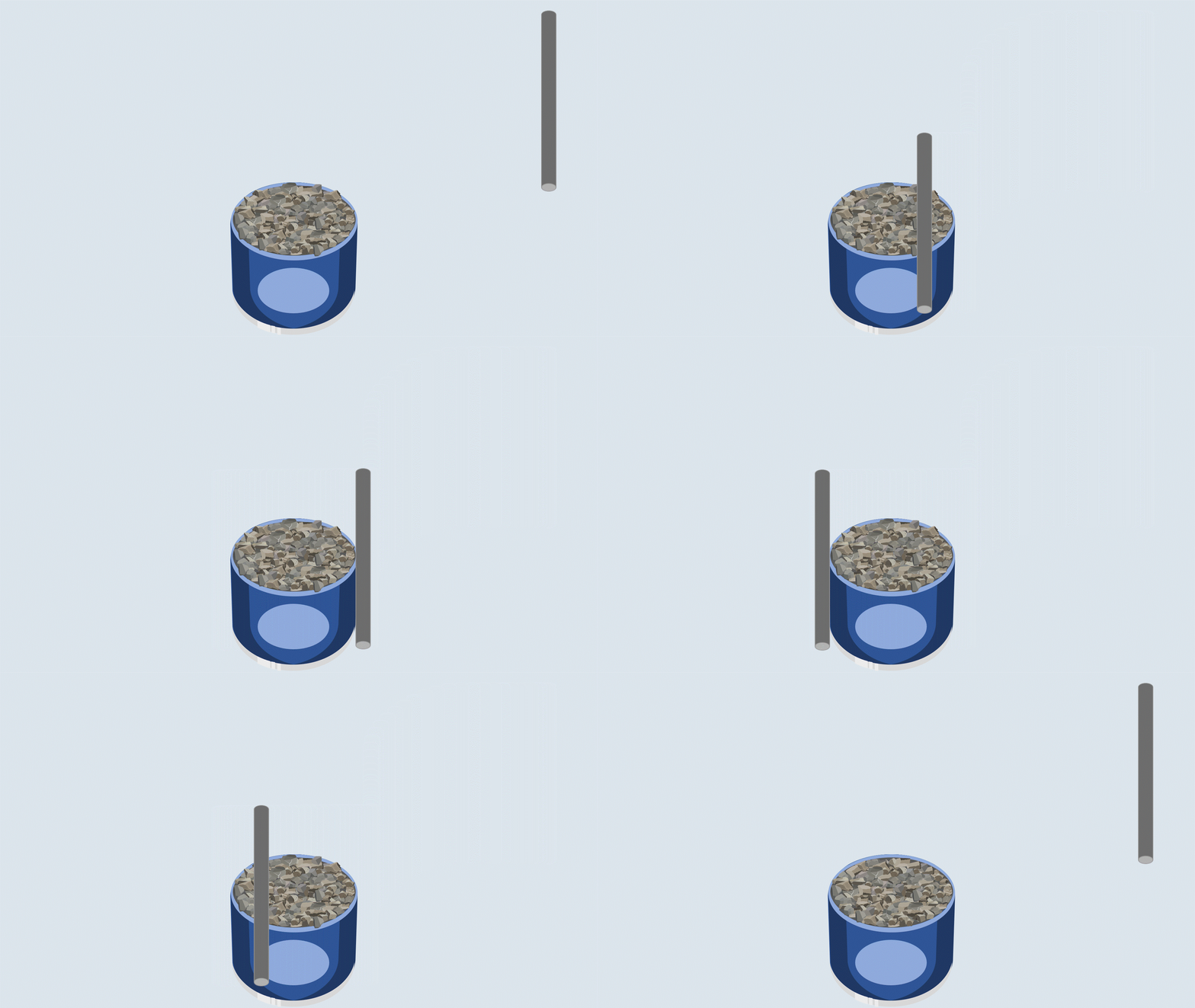
Fill the aggregate in the metal cylinder in three
layers. Compact each layer uniformly by giving 100 blows
using a tamping rod and then remove off the excess aggregate
with the tamping rod.
STEP
11
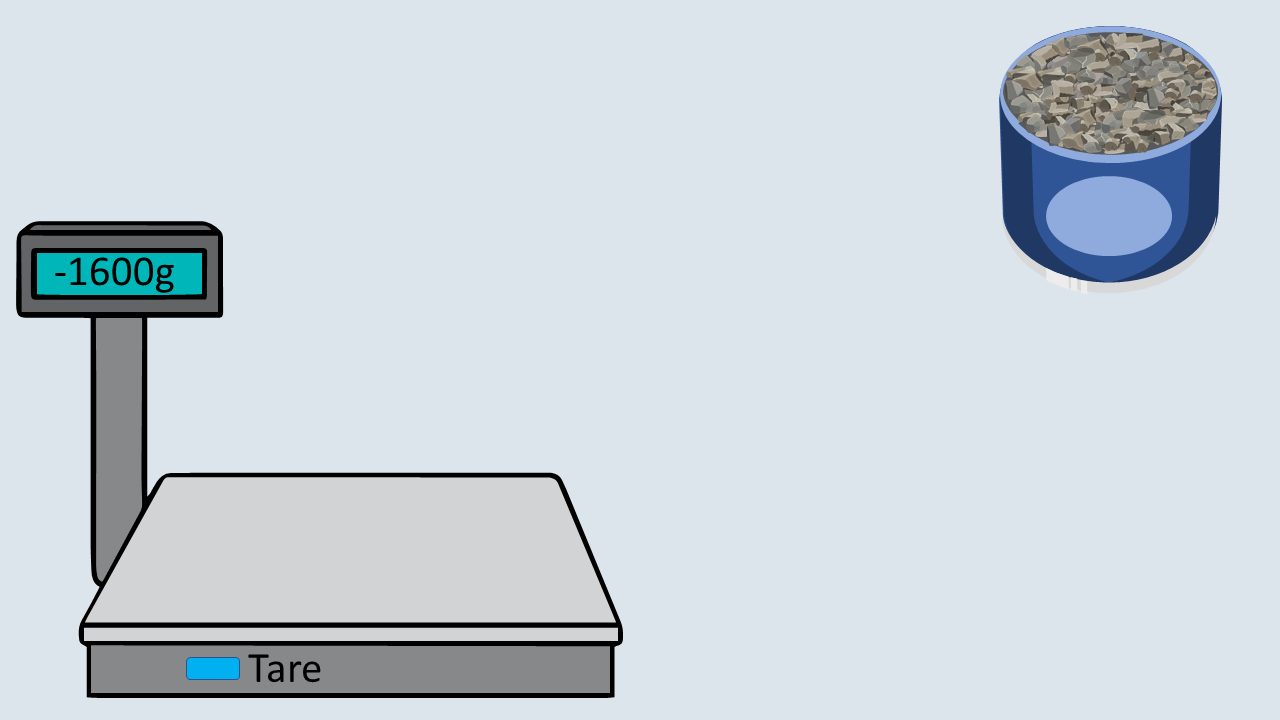
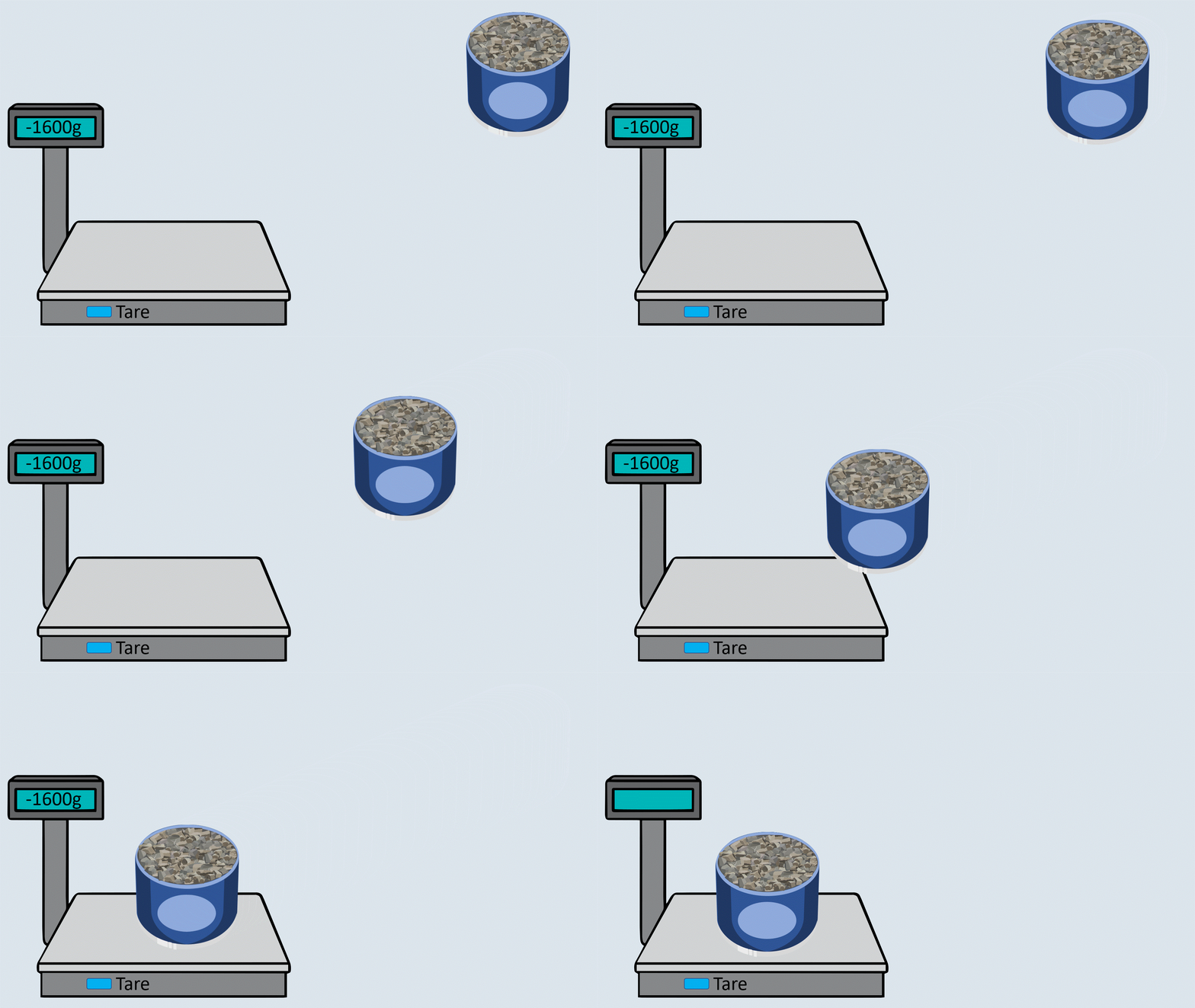
Weigh the aggregates with the cylinder.
STEP
12
Make three separate descriptions and determine the
average weight of aggregates in the cylinder.
|